CASE STUDY
Sapling Time Off

COMPANY
Sapling
MY ROLE
UX Design
TIMELINE
2019
PROJECT OVERVIEW
Designed and launched a time-off product that helped Sapling enter the mid-market Core HR category and drove meaningful new revenue.
Why we built Time Off
When I joined Sapling, we sold an employee onboarding tool. Admins could import new hires, assign tasks and documents, and manage the onboarding process.
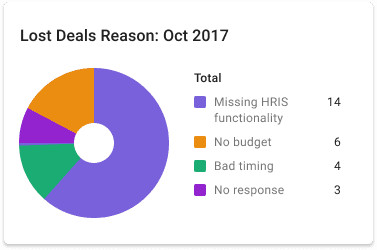
But managers and employees rarely came back after their first day. We also lost prospects to competitors because we did not offer time-off tracking.
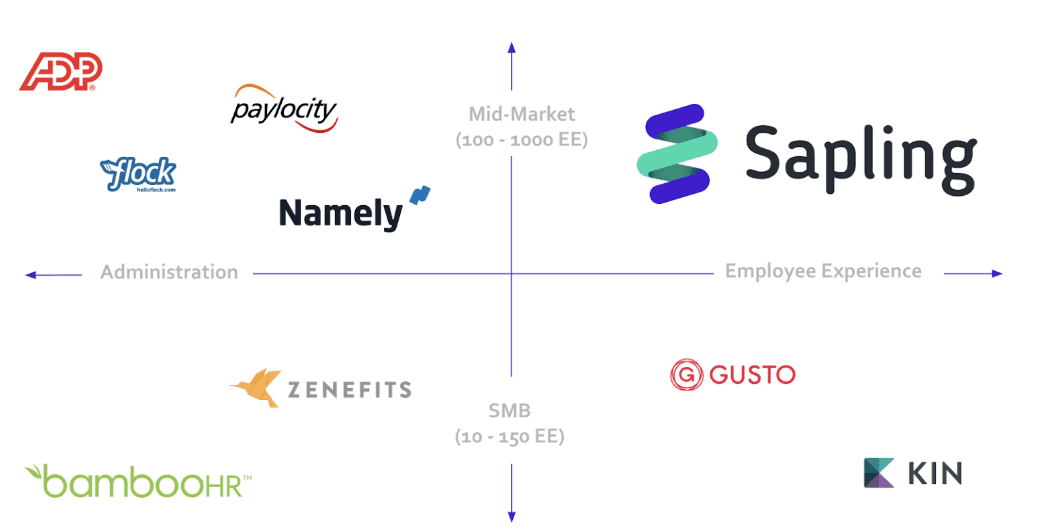
We had an opportunity to give employees a useful reason to return while helping Sapling compete as a broader HR platform.
APPROACH
Starting with research
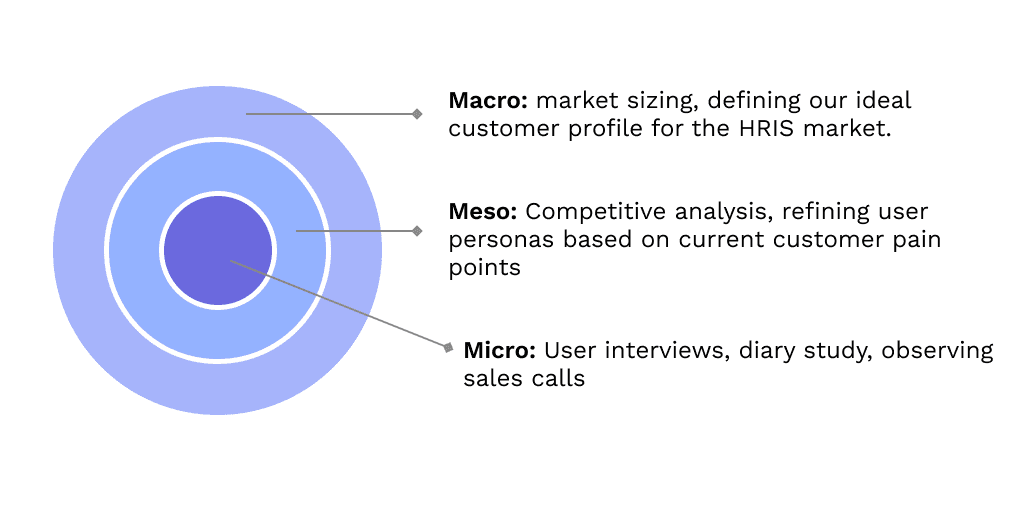
Before making mockups, I spent two weeks on research. I worked with Sapling’s CEO and Head of Sales on churn analysis, reviewed competitors, interviewed customers, ran a diary study, and observed sales calls.
This gave us a clearer picture of the market, the revenue impact, and the problems customers needed a time-off product to solve.
Defining the policy setup
Time-off policies were complex. They changed based on location, employment status, and local regulations. We started with North America and India, which represented 90% of our customer base, and built a spreadsheet model that became the foundation for the prototype.
I worked with two engineers to organize the inputs through open card sorting. We used conditional logic so admins only saw the fields they needed.

Outcome
What changed
Within three months of launch, Time Off contributed to 30% of new monthly recurring revenue and helped us retain two major enterprise clients.
The project also showed that a small team could use research at every major milestone. Testing low-fidelity concepts early helped us remove ideas that were too complex or confusing.
REFLECTIONS
What I learned
We underestimated the development work. Scope grew near the end of the project, and we did not set aside enough time for QA. That led to delays and too many bugs in the first month after launch.
Our next release focused on fixing bugs and making time-off policy setup faster. I learned to plan more carefully for scope, testing, and delivery from the start.